Commercial cleaning planning guide

Plan nightly office cleaning around real occupancy

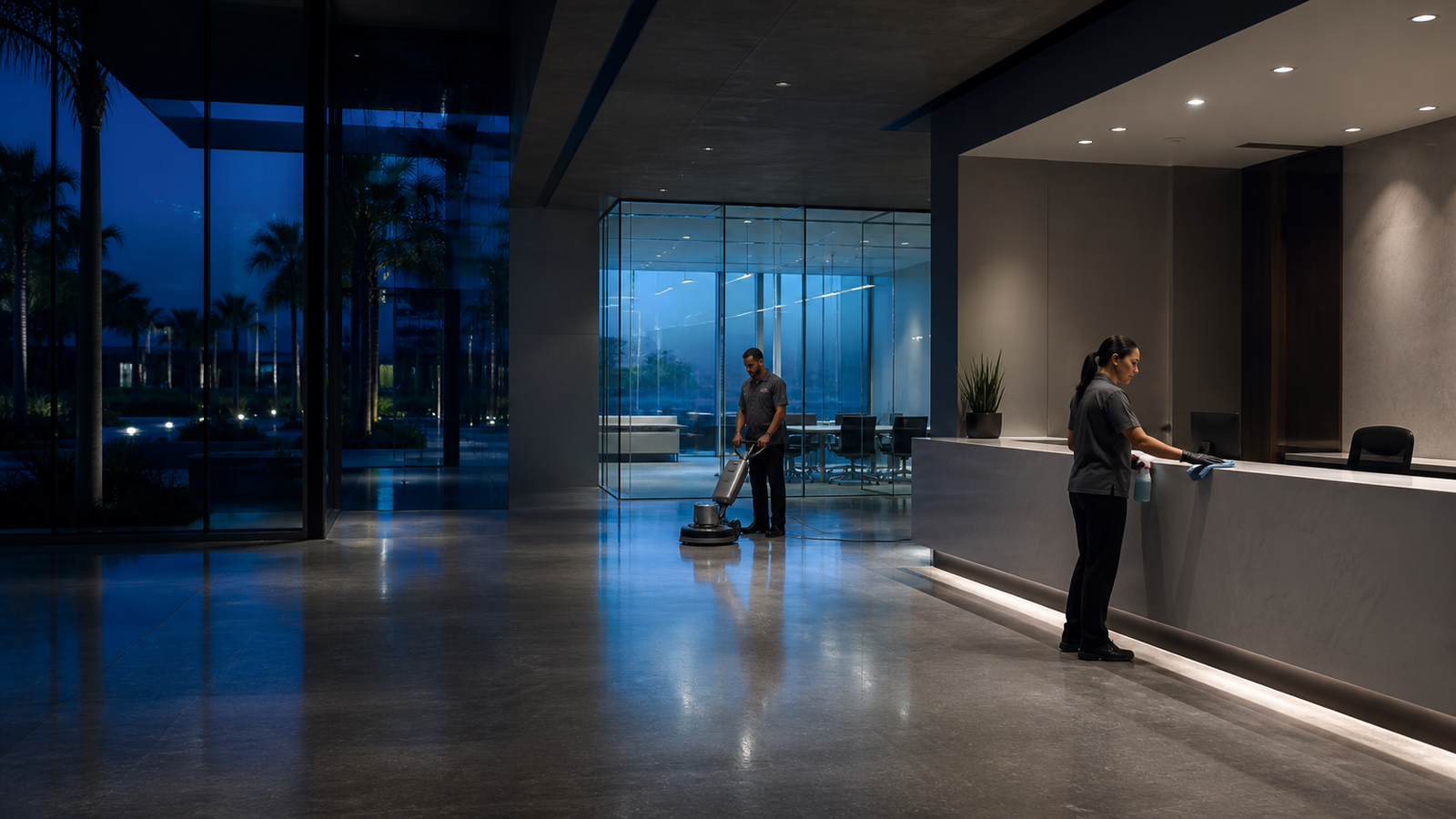
Nightly office cleaning can reset a workplace after employees and visitors leave, but the schedule only works when access, late occupants, desk policies, alarms, shared rooms, and building closing procedures are documented.

Request a commercial cleaning quote

By submitting, you agree to be contacted about your commercial cleaning request.

Nightly Office Cleaning Planning for a commercial facility

Confirm when the office is actually available

Published business hours may not reflect late meetings, cleaning blackout periods, or employees who regularly remain onsite.

Prioritize high-use shared spaces

Reception, conference rooms, kitchens, restrooms, and traffic lanes usually need more consistent attention than low-use private rooms.

Document desk and electronics rules

Decide whether cleaners work around papers, dust accessible desk areas, or avoid individual workstations entirely.

Rotate detail and periodic work

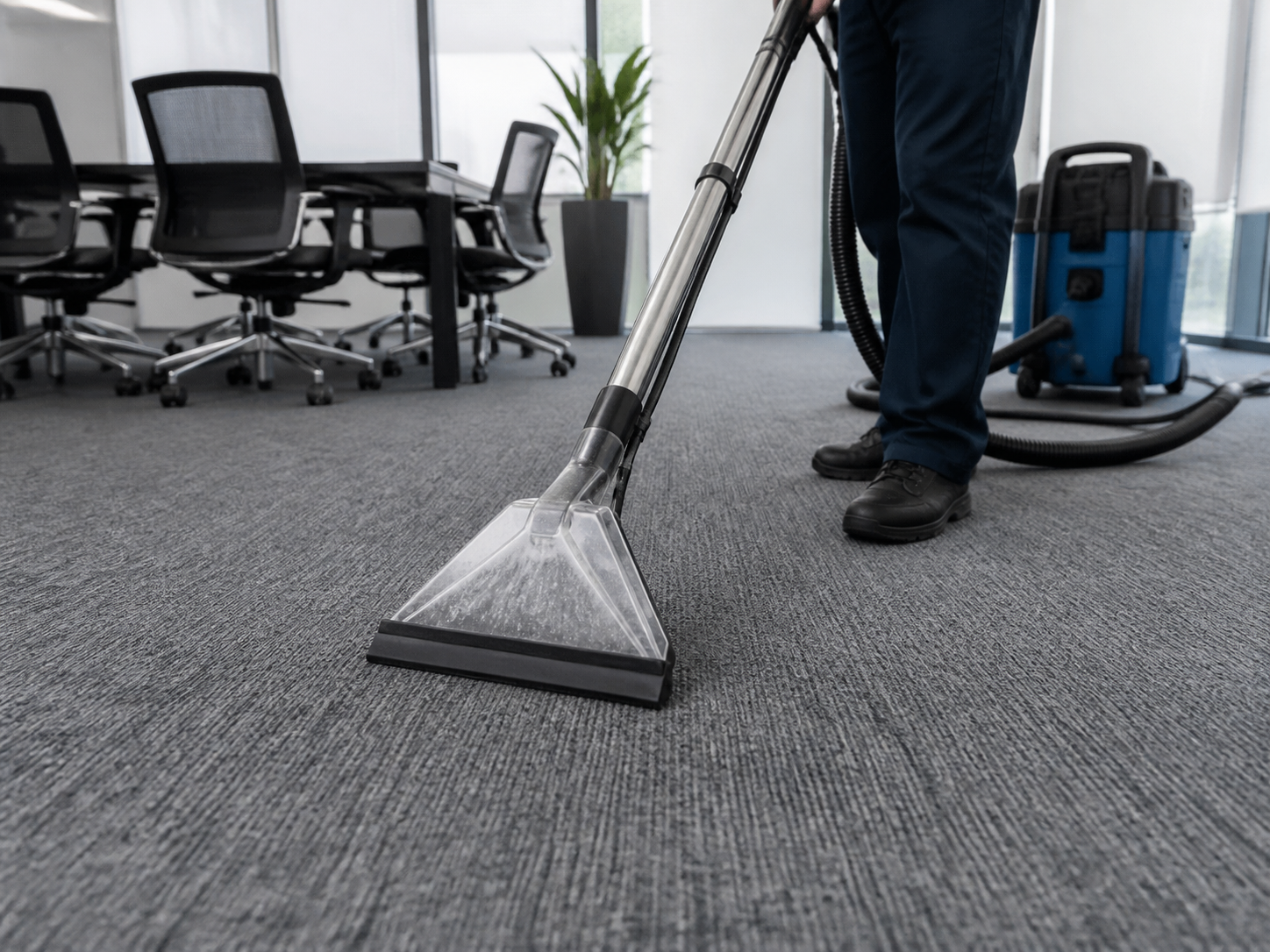
Baseboards, vents, interior glass, carpet extraction, and floor projects should have their own schedule instead of being assumed nightly.

Practical checklist

Information to gather

  • Earliest reliable start time
  • Late-occupant contact procedure
  • Key and alarm instructions
  • Desk and document policy
  • Nightly room priorities
  • Weekly and periodic task rotation

Examples

How this applies in real facilities

  • A professional office cleans kitchens and restrooms nightly but rotates low-use conference rooms.
  • A multi-tenant building separates landlord common areas from tenant-suite responsibilities.

Next step

Apply this guidance to your building.

Use the walkthrough request to share your schedule, access needs, current condition, and the areas that need attention. We will review the space with you before preparing a plan.
Request a facility walkthrough

Frequently asked questions

Use the guide without overgeneralizing.

What makes a nightly office schedule workable?

The schedule needs a confirmed start window, a contact process for late occupants, and clear rules for keys, alarms, desks, shared rooms, and rooms that remain occupied after hours.

Should every office be cleaned every night?

Not necessarily. Shared and presentation-sensitive spaces may need every-visit attention, while low-use private rooms can be assigned a different cadence if that choice is documented and reviewable.

How are missed access windows handled?

Establish the facility contact, permitted waiting time, and escalation path before service begins. That avoids an on-site decision that could affect building security or the expected scope.

Request a walkthrough

Tell us about your facility.

Share the basics so the follow-up can focus on your building, schedule, and cleaning priorities.

Plan the next step

Get a facility quote built around your operation.

Start with the building, schedule, priorities, and access—not a generic package.

CallTextFree Walkthrough